

The animal kingdom runs wild when it comes to design! Bold patterns and vivid colors play an important role in many creatures survival. While some patterns are random, other’s tend to be more consistent and precise. Some animal prints are so iconic they’ve been engraved into us since childhood. Everyone knows giraffes have spots and zebras have stripes…right? But just when you think you’ve got it down, Mother Nature goes and throws you a curveball.
That’s where Tira and Kipekee come in.
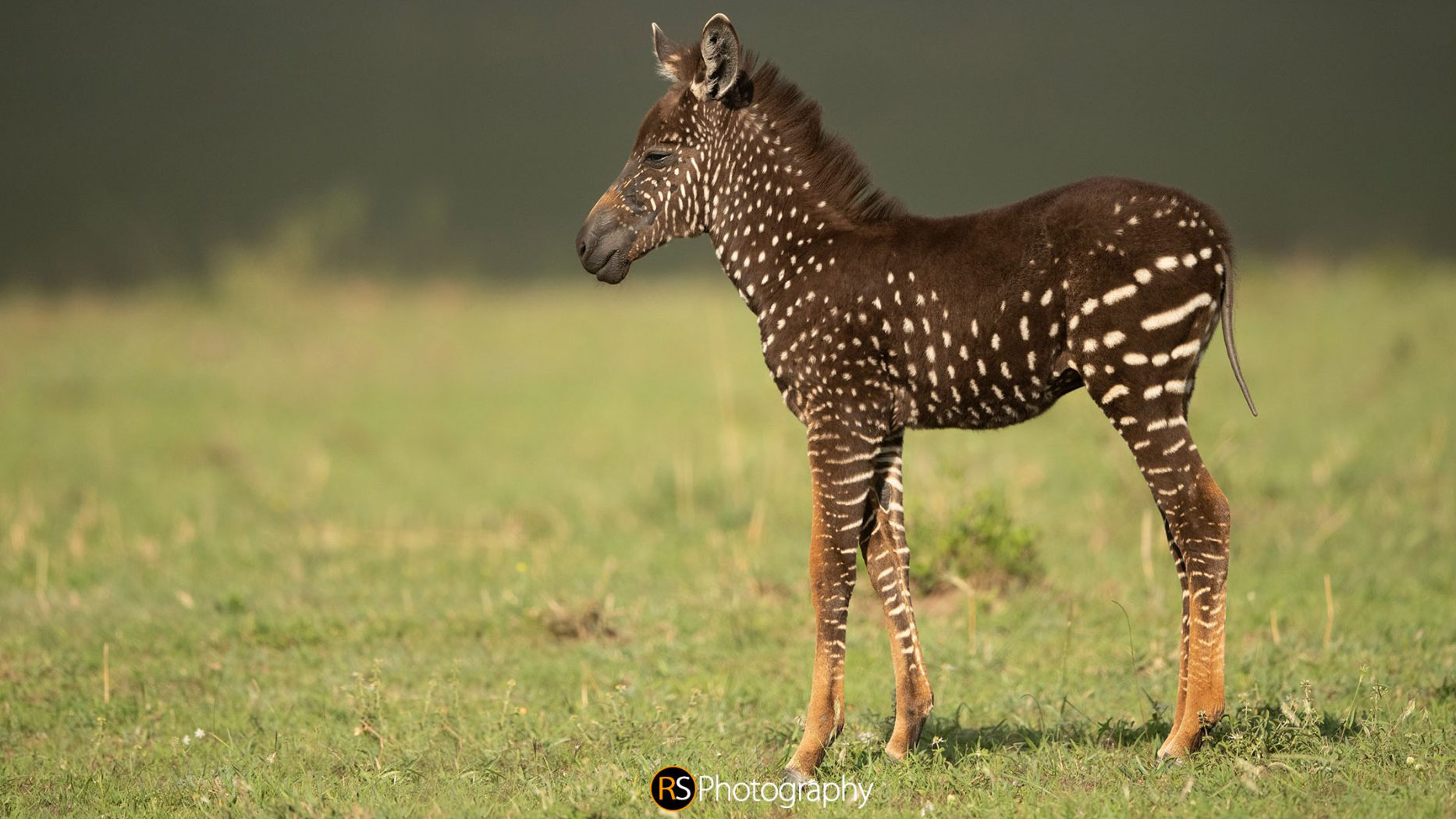
Tira is a zebra colt who was first “spotted” in 2019 by guide Antony Tira in the Masai Mara National Reserve in Kenya. And the pun was very much intended as this little marvel is a polka-dotted zebra! This unique abnormality has been seen a couple times in the wild and is due to pseudomelanism which is a genetic mutation linked to increased melanin production, making the black stripes appear thicker and darker. Unfortunately, having a unique pattern from the herd makes them an easy target for predators. Tira was seen once more in 2021 but no sightings have been reported since.
And then there’s Kipekee. This long-necked cutie was born in captivity at Brights Zoo in Tennessee in 2023. She was the second spotless giraffe documented since 1972 where one other was born in captivity in Tokyo, Japan named Toshiko. Kipekee became an international star and thousands came to see her. Unfortunately, tragedy struck and Kipekee died at just 2 years of age. A necropsy was preformed that revealed an abnormality that affected the blood vessels in her liver.
The Brights Zoo stated “Because of this developmental condition, her liver never functioned normally, and her body was unable to properly process nutrients and maintain healthy reserves over time. Although this condition had been present since birth, her decline occurred rapidly in the end. Despite close monitoring and veterinary care, this was not something that could have been prevented or corrected.”
As evident in Kipekee’s case, sometimes these mutations are more than just skin deep.

I’ve even had my own encounter with a creature that wasn’t quite like the others. I was living in upstate NY at the time. During my drive home from work, I had glanced over to see a herd of deer grazing in a clearing near the highway. There were about 8-10 white-tailed deer all together, going about their business. It was quite a sight to see such a herd but the real surprise was right in the center of them… a white deer!
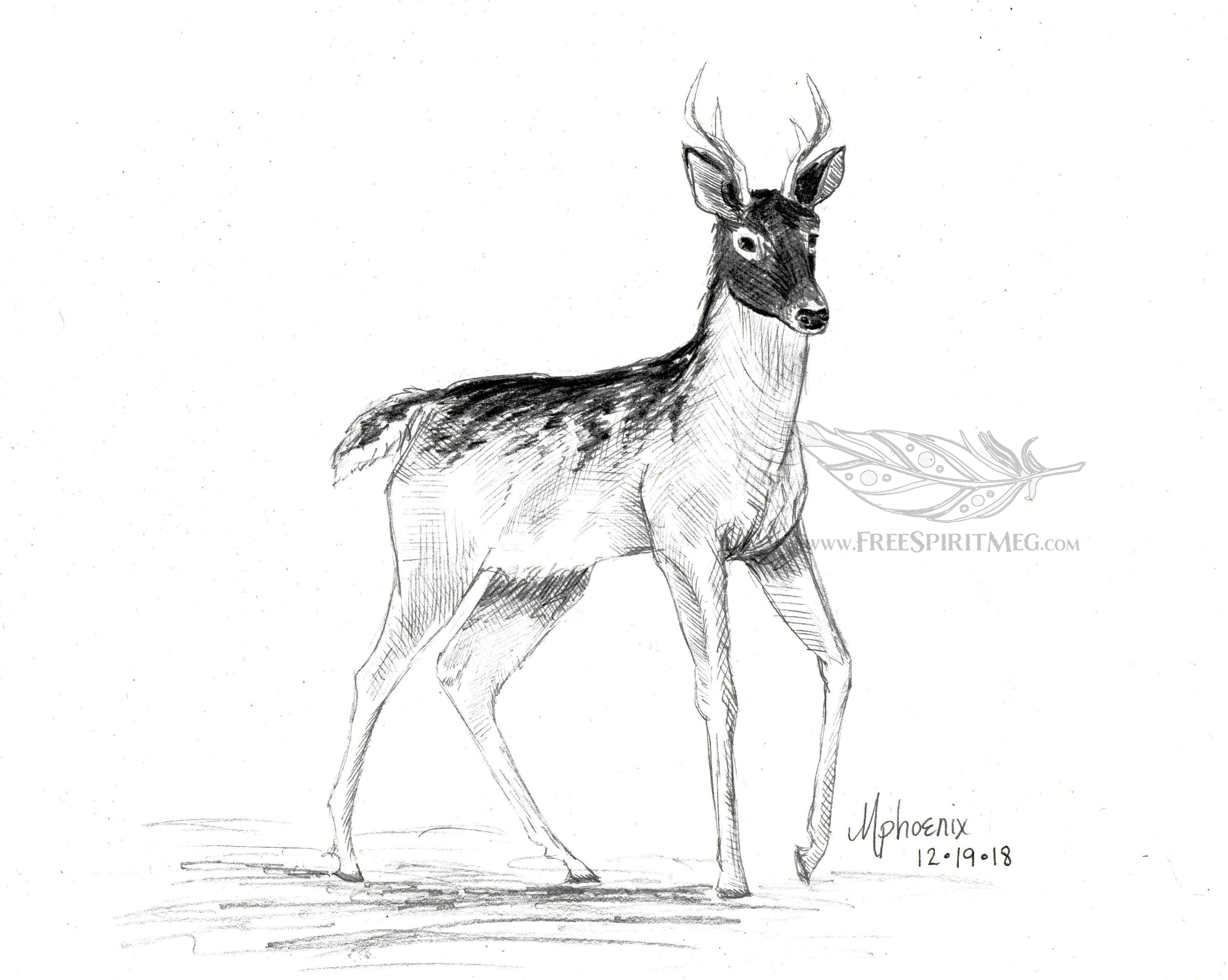
I couldn’t believe my eyes! There was too much traffic for me to come to a screeching halt so I admired it as much as I could without crashing my vehicle. It was so miraculous that I immediately drew what I saw when I got home. It wasn’t entirely white but wore a dark, black cape starting from its head and down its back. It looked like a young buck with smaller antlers but I’m not sure. It could have been an optical illusion from the tree branches in the distance. I felt so fortunate to be able to see such an amazing creature!
I later learned that this sort of mutation is called leucism. It is often confused with albinism. However, albinism is the complete absence of pigment where as with leucism there is still some pigment. Animals with leucism will appear mostly white or blonde with typically some pigment elsewhere on their body. The eyes are a clear give-away as albino creatures will have pink, reddish eyes.
Have you ever encountered an animal of a different color? I would love to hear your story in the comments below! It’s truly surreal to witness the true artistic talents of Mother Earth!
Thanks for stopping by today! And unless your a wild animal, don’t be afraid to stand out from the crowd!
Be uniquely you, free spirits!
“To be yourself in a world that is constantly trying to make you something else is the greatest accomplishment.” -Ralph Waldo Emerson
Check out The Shop
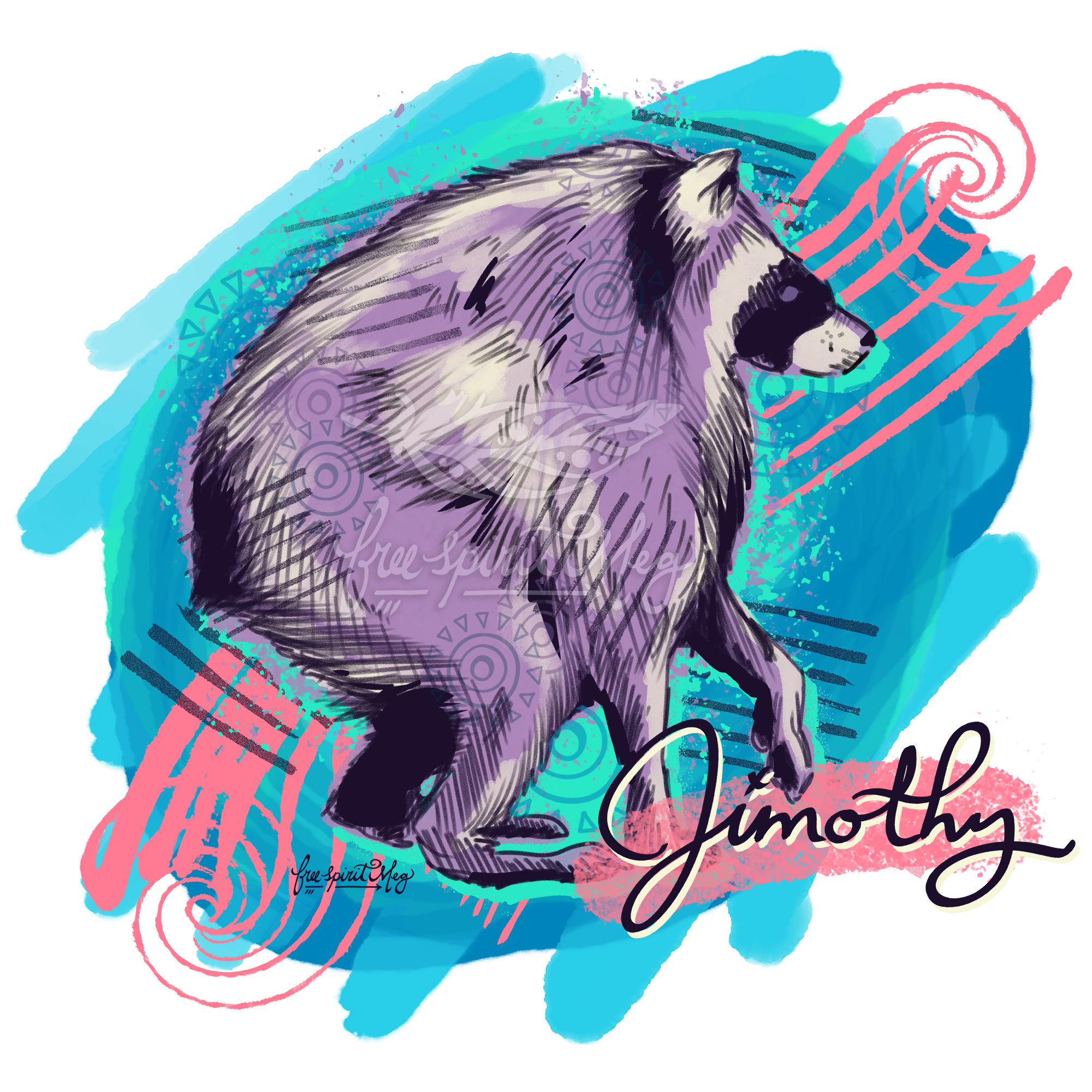
and find your spirit animal available on these products and more!



Leave a Reply